Introduction
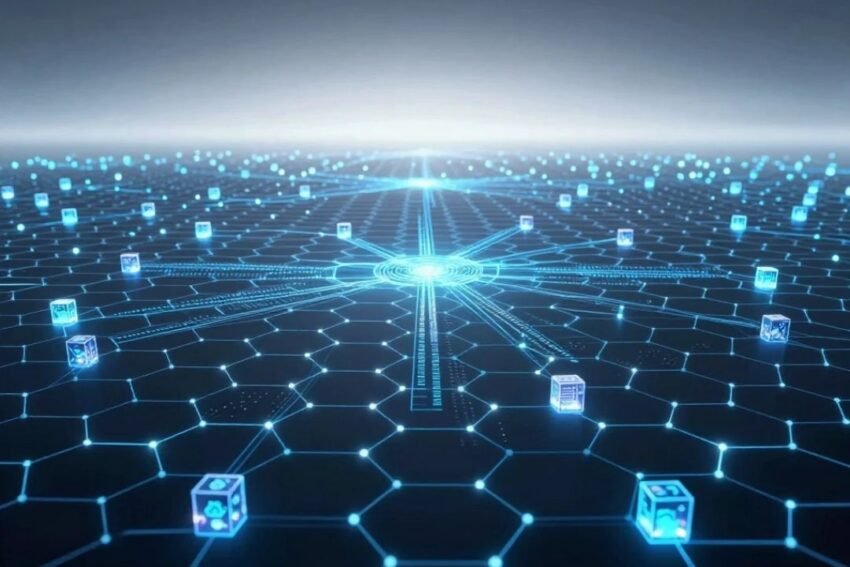
Web3 explained in simple terms means understanding a new approach to building internet services around decentralization, digital ownership, blockchain networks, smart contracts, and user-controlled digital identities.
The internet has evolved through several major stages. Web1 was largely focused on reading information. Web2 introduced interactive websites, social media, online marketplaces, and user-generated content. Web3 is often described as an attempt to create a more decentralized internet where users can have greater control over digital assets, identities, and online interactions.
Blockchain technology is an important foundation of many Web3 applications. It can provide distributed ledgers, programmable transactions, and digital asset infrastructure.
Web3 can support decentralized applications, decentralized finance, digital collectibles, tokenized assets, gaming ecosystems, decentralized identity, and community-based organizations.
However, Web3 is still developing. Scalability, security, regulation, usability, privacy, interoperability, and user adoption remain significant challenges.
This Web3 explained guide covers the fundamentals of Web3, how it works, blockchain technology, smart contracts, digital ownership, decentralized applications, benefits, risks, real-world use cases, and the future of the decentralized internet.
What Is Web3?
Web3 is a broad concept describing an internet ecosystem that uses decentralized technologies such as blockchain, smart contracts, digital wallets, tokens, and decentralized applications.
Traditional internet platforms generally depend on centralized companies to manage accounts, data, infrastructure, and transactions.
Web3 applications can distribute some of these functions across blockchain networks and other decentralized infrastructure.
The main ideas behind Web3 include:
- Decentralization
- Digital ownership
- User-controlled identity
- Programmable applications
- Open networks
- Token-based ecosystems
The exact definition of Web3 can vary depending on the project or organization.
Web1, Web2 and Web3
Understanding the evolution of the internet makes Web3 easier to understand.
Web1
Web1 was primarily a read-only internet.
Users generally consumed information from static websites.
Web2
Web2 introduced interactive platforms.
Examples include:
- Social media
- Online shopping
- Video platforms
- Cloud applications
- Online communities
Web2 made the internet highly interactive but also increased the role of centralized platforms.
Web3
Web3 aims to introduce more decentralized models.
Potential features include:
- Blockchain-based applications
- Digital ownership
- Decentralized identity
- Smart contracts
- Token-based communities
How Does Web3 Work?
Web3 applications can combine several technologies.
Blockchain
Blockchain can provide decentralized transaction and data infrastructure.
Smart Contracts
Smart contracts can execute programmed rules on blockchain networks.
Digital Wallets
Wallets allow users to interact with blockchain applications and manage digital assets.
Tokens
Tokens can represent digital assets, access rights, governance rights, or other forms of value.
Decentralized Applications
dApps use blockchain-based infrastructure for some or all of their functionality.
What Is Decentralization?
Decentralization means distributing control or infrastructure across multiple participants instead of relying entirely on one central authority.
For example, a centralized service may store information on servers controlled by one company.
A decentralized network can distribute certain records and operations across multiple participants.
Decentralization can provide greater resilience and reduce dependence on one organization, but it can also introduce complexity and governance challenges.
What Is Blockchain’s Role in Web3?
Blockchain provides much of the infrastructure behind Web3.
A blockchain can record:
- Transactions
- Token ownership
- Smart-contract activity
- Digital asset transfers
Public blockchains can allow users to independently verify certain records.
Different blockchain networks have different technical characteristics, fees, transaction speeds, consensus mechanisms, and security models.
Smart Contracts Explained
Smart contracts are programs that run on compatible blockchain networks.
They execute predefined instructions when specific conditions are met.
For example, a smart contract could manage the transfer of a digital asset according to programmed rules.
Smart contracts are important because they allow blockchain networks to support programmable applications.
However, smart contracts can contain bugs. Developers need rigorous testing and security reviews before deploying important contracts.
Digital Ownership in Web3
One of Web3’s major concepts is digital ownership.
Blockchain-based tokens can represent certain digital assets or rights.
Examples include:
- Digital collectibles
- Gaming items
- Membership passes
- Tickets
- Tokenized assets
The rights associated with a token depend on its design and legal structure.
Owning a blockchain token does not automatically mean owning the copyright or intellectual property associated with it.
What Are Digital Tokens?
A token is a digital asset recorded on a blockchain.
Tokens can serve different purposes.
They may represent:
- Currency
- Governance rights
- Utility
- Membership
- Digital collectibles
- Asset interests
Not all tokens have the same function or legal status.
What Are NFTs?
Non-fungible tokens, commonly called NFTs, are unique blockchain-based tokens.
Unlike interchangeable cryptocurrency units, NFTs are designed to be individually distinguishable.
Potential applications include:
- Digital art
- Gaming assets
- Memberships
- Tickets
- Collectibles
- Certificates
NFT technology is broader than the speculative market that initially attracted widespread attention.
Decentralized Applications
Decentralized applications, or dApps, are applications that use blockchain or decentralized infrastructure.
Examples of potential dApp categories include:
- Finance
- Gaming
- Marketplaces
- Social platforms
- Governance
A dApp may still use conventional servers for parts of its user interface or data.
Therefore, not every application described as decentralized is fully decentralized.
Web3 Wallets
A Web3 wallet allows users to interact with blockchain networks.
Depending on the wallet, users can:
- Manage digital assets
- Sign transactions
- Connect to dApps
- Manage blockchain accounts
Wallet security is extremely important.
Users should never share private keys or recovery phrases with another person.
Private Keys and Recovery Phrases
Blockchain wallets often depend on cryptographic keys.
A private key can authorize transactions.
Recovery phrases can provide access to wallets in compatible systems.
If a private key or recovery phrase is stolen, an attacker may be able to control the associated assets.
Users should store recovery information securely and avoid entering it into suspicious websites.
Decentralized Finance
Decentralized Finance, or DeFi, is one of the most important Web3 application categories.
DeFi applications can provide services such as:
- Lending
- Borrowing
- Trading
- Payments
- Asset management
Smart contracts automate many processes.
However, DeFi involves substantial risks, including smart-contract vulnerabilities, market volatility, liquidity issues, scams, and regulatory uncertainty.
Web3 Gaming
Web3 gaming uses blockchain technology to support digital assets and game economies.
Potential features include:
- Player-owned assets
- Digital collectibles
- Tokenized items
- Player marketplaces
The success of Web3 gaming will depend heavily on whether blockchain features improve the gaming experience.
Players generally expect games to be enjoyable first and financially sustainable second.
Decentralized Social Media
Web3 developers are exploring decentralized alternatives to traditional social platforms.
Potential benefits include:
- Portable profiles
- User-controlled identities
- Data portability
- Community governance
However, decentralized social networks face difficult challenges around moderation, spam, scalability, and sustainable business models.
Decentralized Identity
Web3 can support new approaches to digital identity.
A decentralized identity system may allow users to manage certain credentials themselves.
Potential applications include:
- Education credentials
- Professional certificates
- Authentication
- Digital verification
Privacy-preserving identity technology could reduce unnecessary data sharing.
Tokenization
Tokenization means representing certain rights or interests in an asset through blockchain-based tokens.
Potential examples include:
- Real estate
- Financial assets
- Commodities
- Collectibles
Tokenization could potentially improve settlement, recordkeeping, transfer, and access.
However, legal ownership and rights still depend on the underlying legal structure.
Web3 and Payments
Blockchain-based payment systems can support digital transfers.
Potential advantages include:
- Global accessibility
- Programmable transactions
- Faster settlement in some cases
Stablecoins are particularly relevant because they are designed to maintain a relatively stable value compared with many other crypto assets.
Regulation and compliance remain important considerations.
Web3 and Artificial Intelligence
The combination of AI and Web3 is becoming an emerging area of technology.
AI can provide:
- Automation
- Data analysis
- Intelligent assistants
- Autonomous agents
Blockchain can provide:
- Programmable payments
- Digital ownership
- Verifiable records
- Decentralized infrastructure
Future AI agents could potentially interact with blockchain networks to perform authorized transactions.
Web3 and the Metaverse
Web3 is sometimes associated with the metaverse.
Blockchain can potentially support:
- Digital assets
- Virtual economies
- User identities
- Virtual ownership
However, Web3 and the metaverse are not the same thing.
The metaverse is a broader concept involving immersive digital environments, while Web3 focuses more heavily on decentralized technologies and ownership models.
Decentralized Autonomous Organizations
A Decentralized Autonomous Organization, or DAO, uses blockchain-based governance mechanisms to coordinate communities or projects.
Members can participate in decisions through voting or other governance structures.
DAOs can potentially coordinate:
- Online communities
- Protocols
- Open-source projects
- Investments
Governance design is critical because token-based voting can create concentration and participation problems.
Benefits of Web3
Web3 can offer several potential advantages.
Greater User Control
Users can directly manage certain digital assets.
Digital Ownership
Blockchain tokens can provide new ownership models.
Transparency
Public blockchain transactions can be independently verified.
Programmability
Smart contracts can automate digital interactions.
Global Access
Many public blockchain services can be accessed internationally.
Challenges of Web3
Web3 also has significant limitations.
Complexity
Wallets and blockchain transactions can be difficult for beginners.
Security
Users can lose assets through scams, phishing, or compromised credentials.
Scalability
Some blockchain networks face limitations during periods of high demand.
Regulation
Rules vary across countries and applications.
Privacy
Public blockchain records can expose transaction information.
Volatility
Many digital assets experience substantial price changes.
Web3 Security Best Practices
Users should take security seriously.
Protect Your Recovery Phrase
Never share it with anyone.
Verify Websites
Avoid connecting wallets to unknown websites.
Check Transactions
Carefully review addresses and transaction details.
Use Strong Authentication
Secure exchange and application accounts with appropriate authentication.
Update Software
Keep wallets and connected devices updated.
Is Web3 the Future of the Internet?
Web3 has the potential to influence several parts of the internet, particularly digital assets, financial infrastructure, identity, payments, and decentralized applications.
However, it is unlikely that every internet service will become decentralized.
Centralized technology remains highly useful for many applications because it can offer:
- High performance
- Simple administration
- Efficient databases
- Predictable infrastructure
The future may therefore involve a combination of centralized and decentralized systems.
Future Web3 Trends
Several developments could shape Web3’s future.
Better Scalability
Layer-2 networks and other scaling technologies may improve blockchain performance.
Easier Wallets
Account abstraction and improved recovery could make blockchain easier to use.
Asset Tokenization
More traditional assets may be represented digitally.
AI Integration
AI agents could interact with blockchain applications.
Decentralized Identity
Privacy-focused credentials could become more useful.
Improved Interoperability
Different blockchain networks may become easier to connect.
How Businesses Can Use Web3
Businesses should focus on practical applications.
Potential use cases include:
- Digital payments
- Loyalty programs
- Asset tokenization
- Supply-chain records
- Digital credentials
- Membership systems
Before adopting Web3, companies should compare it with conventional technology and evaluate whether decentralization creates genuine value.
How Beginners Can Start Learning Web3
Beginners can follow a simple learning path.
Step 1: Learn Blockchain Basics
Understand distributed ledgers and consensus mechanisms.
Step 2: Learn About Wallets
Understand public addresses, private keys, and recovery phrases.
Step 3: Explore Smart Contracts
Learn how blockchain programs work.
Step 4: Understand Tokens
Study cryptocurrencies, NFTs, utility tokens, and governance tokens.
Step 5: Explore dApps
Learn how decentralized applications interact with wallets.
Step 6: Study Security
Understand phishing, scams, smart-contract risks, and wallet protection.
Frequently Asked Questions
What is Web3 in simple terms?
Web3 is a broad vision of a more decentralized internet that uses blockchain, smart contracts, digital wallets, tokens, and decentralized applications.
Is Web3 the same as blockchain?
No. Blockchain is a technology that can provide infrastructure for Web3 applications. Web3 is a broader concept.
What are smart contracts?
Smart contracts are programs that execute predefined rules on compatible blockchain networks.
What is digital ownership?
Digital ownership refers to blockchain-based mechanisms that can represent ownership or rights associated with digital assets.
Is Web3 safe?
Web3 technology can be secure, but users face risks involving scams, phishing, compromised wallets, smart-contract bugs, and fraudulent projects.
Will Web3 replace Web2?
There is no guarantee that Web3 will replace Web2. More likely, decentralized and centralized technologies will coexist and be used where each approach provides the greatest value.
Conclusion
Web3 explained is ultimately about understanding a different approach to internet technology—one that emphasizes decentralization, digital ownership, programmable applications, user-controlled wallets, and blockchain-based infrastructure.
Blockchain provides an important technical foundation. Smart contracts make decentralized networks programmable, while digital wallets allow users to interact directly with blockchain applications.
Web3 can support decentralized finance, gaming, digital collectibles, identity systems, tokenization, decentralized social networks, payments, and community governance.
However, the technology is still developing. Scalability, security, regulation, privacy, interoperability, usability, and adoption remain major challenges.
The future of Web3 will likely depend on practical applications rather than hype. Technologies that make genuine improvements to payments, identity, ownership, settlement, and online coordination are more likely to create lasting value.
AI could also play an important role. Intelligent agents may eventually interact with blockchain networks to make authorized payments, access decentralized services, and manage digital assets.
For users and businesses, the best approach is to understand both the opportunities and the risks.
Web3 does not necessarily mean that every website or application must become decentralized. Instead, it provides another set of technologies and design choices for building digital services.
As blockchain infrastructure becomes more scalable, wallets become easier to use, and decentralized applications become more practical, Web3 could become an increasingly important part of the digital economy and influence the future of ownership, payments, identity, finance, and online interaction.